Pet Stain Odour Removal: Fresh, Clean Solutions for a Healthier Home
Why Pet Stain Odour Removal Matters in Everyday Homes
Pets bring joy, comfort, and companionship, but they can also leave behind stains and smells that linger far longer than expected. Pet stain odour removal is more than a cleaning task; it is a home-care priority that helps protect indoor air quality, preserve flooring, and maintain a pleasant living environment for everyone.
When urine, vomit, feces, or saliva soaks into carpet, upholstery, or hardwood, the smell may seem to disappear after surface cleaning, but hidden residue often remains. That residue can trigger repeated odours, attract pets back to the same spot, and even cause permanent damage to materials if not treated properly.
Whether you are dealing with a recent accident or a stain that has already set in, using the right approach makes all the difference. From enzyme-based cleaners to deep extraction methods, effective pet stain odour removal targets both the visible mark and the invisible source of the smell.
Understanding the Cause of Pet Stains and Odours

To eliminate smells successfully, it helps to understand why they happen. Pet accidents contain organic compounds, bacteria, and moisture that seep deep into porous materials. As the materials dry, odour molecules remain trapped, making the space smell unpleasant long after the stain appears to be gone.
Pet urine is especially problematic because it can break down into ammonia-like compounds. Over time, the crystals formed during drying reactivate when exposed to humidity or moisture, which means the odour may return on hot or damp days. This is one reason pet stain odour removal often requires more than a simple spray-and-wipe treatment.
Common sources of persistent pet odours include carpets, rugs, fabric couches, mattresses, baseboards, and grout lines. In some cases, the smell can also travel into underpadding or subflooring. The deeper the contamination, the more important it becomes to use specialized cleaning methods rather than masking the odour with perfume-based products.
Types of Pet Accidents That Need Fast Attention
Not every pet stain is the same, and different types require different cleaning strategies. Fast action prevents the stain from setting and reduces the risk of long-term odour.
- Urine stains: The most common and usually the most difficult to remove completely.
- Vomit stains: Often acidic and capable of discoloring fabrics if not treated quickly.
- Fecal accidents: Can leave both staining and strong odour due to bacteria.
- Saliva and drool: Less obvious but still capable of creating odour buildup over time.
- Marking behaviour: Repeated marking in the same area can saturate layers beneath the surface.
In many homes, the best results come from cleaning the accident immediately, then following with a deeper odor-removal treatment later. This two-step approach is especially useful for carpeted rooms and upholstered furniture.
If your goal is lasting pet stain odour removal, identifying the type of mess helps you choose the right cleaner and avoid worsening the problem.
Best Surfaces for Pet Stain Odour Removal
Different surfaces react differently to pet messes. What works on a carpet may not be suitable for hardwood or leather. Knowing the surface helps you select the right method and avoid damage.
Carpets and Rugs
Carpet fibers and padding can trap liquid deeply, which is why odours often stay even after spot-cleaning. For carpet-based pet stain odour removal, blotting, enzymatic treatment, and extraction are usually the most effective combination.
Upholstery
Fabric furniture absorbs moisture quickly, and seams can hide residues. Always test products on a hidden area first. Gentle application is important to prevent water rings or fading.
Hardwood Floors
Urine can seep between boards or damage the finish if left too long. Prompt cleanup is essential, followed by a safe wood cleaner that removes residue without excess moisture.
Mattresses and Bedding
These items require deep cleaning and thorough drying. Odours can become embedded in foam layers, so enzyme solutions are often the best starting point.
Tip: For any porous material, the deeper the liquid penetrates, the more likely you will need multiple cleaning steps to fully eliminate odour.
How Pet Stain Odour Removal Works: Step-by-Step Methods
A proper cleaning process addresses both the stain and the smell. The goal is not just to make the surface look clean but to break down the odour-causing compounds at the source.
1. Blot the Area Immediately
Use paper towels or a clean absorbent cloth to lift as much liquid as possible. Press firmly, but do not rub. Rubbing spreads the stain deeper into fibers and may enlarge the affected area.
2. Apply a Suitable Cleaning Solution
For fresh accidents, a gentle cleaner may be enough. For older stains, an enzyme cleaner is often the best option because it breaks down organic matter. This is one of the most important steps in pet stain odour removal when dealing with urine and biological messes.
3. Let the Product Dwell
Cleaning solutions need time to work. Follow label instructions carefully. Rushing this step often leaves behind residue, which means the odour can return later.
4. Extract or Wipe Thoroughly
Once the solution has had time to act, remove it using a clean towel, wet vacuum, or extraction machine depending on the surface. Removing the cleaner and lifted residue is key to preventing re-soiling.
5. Dry Completely
Air movement speeds drying and reduces the chance of mold or mildew. Use fans, open windows, or a dehumidifier where appropriate. A damp area can hold odour even after the stain is gone.
6. Repeat if Necessary
Older stains may require repeat treatment. If odour remains after the first attempt, reapply a compatible product and deep-clean again. Persistence is often necessary for complete pet stain odour removal.
Why Enzyme Cleaners Are So Effective
Enzyme cleaners are widely recommended for pet stain odour removal because they target the organic compounds left behind by urine, feces, and vomit. Instead of covering the smell, they break it down into smaller components that are easier to remove.
These cleaners are especially helpful for materials that absorb liquids, such as carpet, upholstery, and mattress foam. They work best when they are allowed to sit long enough to digest the source material. In many cases, the difference between a temporary fix and real odour control comes down to the quality of the product and the length of contact time.
Important: Avoid using ammonia-based cleaners on urine stains. Ammonia can smell similar to urine and may encourage pets to revisit the same spot. Choosing the right product matters as much as using it correctly.
Common Mistakes to Avoid During Pet Stain Odour Removal
Even well-intentioned cleaning can make the situation worse if the wrong method is used. Avoiding common mistakes helps protect your home and improve results.
- Using too much water: Excess moisture spreads the stain and can lead to mold growth.
- Scrubbing aggressively: This pushes contaminants deeper into the material.
- Masking with fragrance sprays: These may hide the smell temporarily but do not eliminate it.
- Skipping the drying stage: Damp surfaces often continue to smell.
- Using the wrong cleaner: Some products can discolor fabric or damage wood finishes.
- Ignoring underlayers: Padding, foam, and subflooring may be the true source of odour.
For recurring problems, look beyond the surface. Strong odour that keeps coming back often signals that the contamination has penetrated deeper than expected. That is when professional-grade pet stain odour removal methods become especially useful.
DIY Pet Stain Odour Removal Tips for Fresh Accidents
Many fresh accidents can be managed at home if you act quickly. The following approaches are simple, affordable, and effective for small messes.
- Blot immediately with absorbent towels.
- Use cold water for rinsing; hot water can set some stains.
- Apply an enzyme cleaner and allow proper dwell time.
- Rinse lightly if the product instructions recommend it.
- Dry with fans or ventilation.
You can also use baking soda after cleaning to help absorb residual moisture and reduce remaining smell. However, baking soda is best used as a support step rather than a complete solution. It can assist pet stain odour removal, but it does not replace proper stain treatment.
If the stain has already set, a second round of cleaning may be needed. Patience often pays off more than repeated scrubbing.
When Professional Pet Stain Odour Removal Makes Sense
Sometimes home cleaning is not enough. If odours linger, stains keep reappearing, or the damage extends into carpet padding or flooring underlayers, professional help can save time and prevent further damage.
Professional services often use commercial extraction equipment, specialized treatments, and targeted solutions that reach deeper than standard household products. This can be especially valuable for homes with multiple pets, repeated accidents, or stubborn odour in high-traffic areas.
Professional pet stain odour removal is often worth considering when:
- The stain is older and has dried completely.
- The smell returns after each cleaning attempt.
- The affected area is large or repeatedly soiled.
- The stain is on a delicate or expensive surface.
- You suspect contamination in padding, grout, or subflooring.
For homeowners who want a cleaner, fresher space without trial and error, booking expert help can be the fastest path to results. Book your service now if the stain has become a recurring issue.
Pet Stain Odour Removal on Different Materials
Carpet Fibers
Carpet requires the most attention because liquids spread through the pile and into padding. A combination of blotting, enzyme treatment, and extraction is often ideal.
Tile and Grout
Tile surface stains are easier to remove, but grout can absorb odour. A targeted cleaner and thorough rinse are important to keep smells from lingering.
Leather Furniture
Leather does not absorb like fabric, but it can still retain odour on the surface or in seams. Use a leather-safe product and avoid soaking the material.
Wood and Laminate
Use minimal moisture and a cleaner designed for the finish. Standing liquid can warp boards or seep through joints.
Foam and Padding
Foam often holds odour longer than the visible fabric layer. Deep treatment and complete drying are essential for successful pet stain odour removal.
How to Prevent Future Pet Stains and Odours
Prevention is the easiest way to reduce repeat cleaning. Small adjustments can make a big difference in keeping your home fresh and reducing the need for intensive pet stain odour removal later.
- Take pets outside frequently, especially after meals and naps.
- Clean accidents immediately before they soak in.
- Use washable covers on furniture and bedding.
- Keep litter boxes, pee pads, or training areas clean.
- Monitor pets for signs of illness or behavioral changes.
- Address marking behaviour early with training and routine.
Many repeat accidents happen because a pet can still detect the old scent. Thorough cleaning helps break that cycle. If the smell remains, pets may return to the same place. That is why complete pet stain odour removal matters for both hygiene and training.
Remember: A fresh-smelling home is easier to maintain when accidents are handled quickly and consistently.
Choosing the Right Products for a Safer Home
Safety should always be part of the cleaning decision. Homes with children, pets, or allergy-sensitive occupants benefit from products that are effective without introducing harsh fumes.
Look for cleaners that are labeled for pet messes, free from harsh bleach when inappropriate, and safe for the specific surface you are treating. If you prefer a more natural approach, always verify that the ingredients still target organic waste effectively. Not every eco-friendly product is powerful enough for tough pet stain odour removal.
It is also a good idea to read directions carefully and ventilate the area during and after cleaning. Proper use improves results and reduces irritation from lingering cleaning residues.
Signs the Odour Is Still Present Beneath the Surface
Sometimes a room appears clean, but hidden odour remains. Recognizing the signs helps you decide whether to repeat treatment or escalate to a deeper cleaning method.
- The smell returns when the room gets warm or humid.
- Pets keep going back to the same spot.
- The stain reappears after drying.
- You notice odour near baseboards, seams, or carpet edges.
- The room smells clean at first, then unpleasant again later.
These clues often mean the contamination has not been fully removed. A second, more focused pet stain odour removal treatment may be necessary to reach hidden residue.
Creating a Long-Term Fresh Home Environment
Long-term freshness comes from consistency, not just emergency cleanup. Building a routine around stain prevention, quick action, and deep treatment when needed makes your home easier to manage.
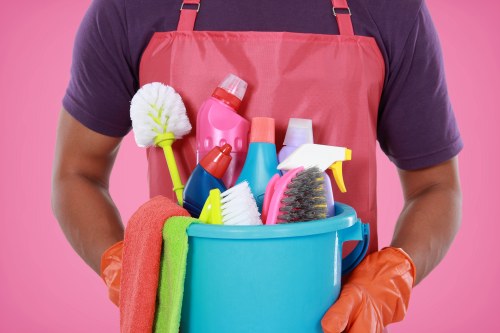
Consider keeping a pet-cleanup kit on hand with paper towels, an enzyme cleaner, gloves, a stain-safe cloth, and a small brush for spot treatment. This allows you to respond immediately and improve your chances of full odour elimination.
For stubborn cases, periodic deep cleaning of carpets, rugs, and furniture can help keep odours from building up over time. In busy homes, especially those with multiple pets, routine maintenance can be just as important as spot treatment.
Final Thoughts on Pet Stain Odour Removal
Effective pet stain odour removal is about more than hiding a smell. It means removing the source, treating the affected surface properly, and preventing the problem from coming back. With quick action, the right cleaner, and attention to detail, most pet accidents can be handled successfully.
Whether you are cleaning a single fresh accident or dealing with a stubborn odor that has settled deep into the home, the right approach can restore comfort and cleanliness. Enzyme cleaners, proper drying, and surface-specific techniques all play a role in getting lasting results.
If the stain is too large, too old, or too deeply absorbed, professional support can make all the difference. Contact us today to take the next step toward a cleaner, fresher, and more comfortable living space.