Stain Removal in Everyday Spaces: Practical Methods for Cleaner Fabrics, Surfaces, and Upholstery
Why stain removal matters for a cleaner, longer-lasting home
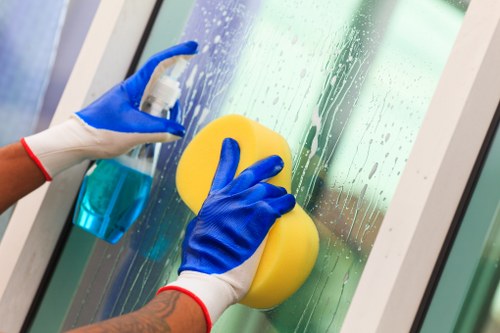
Stain removal is one of those household tasks that feels simple until a spill lands on a favorite shirt, a sofa cushion, or a kitchen countertop. In reality, effective stain removal is less about scrubbing harder and more about acting quickly, choosing the right cleaning method, and understanding the material you are treating. Whether you are dealing with coffee on cotton, grease on tile, or ink on upholstery, the right approach can save time, money, and frustration.
People search for stain removal solutions every day because stains are unavoidable. From food and drink accidents to makeup smudges, mud, grass, pet messes, and rust marks, stain removal becomes part of normal home care. The good news is that many stains can be reduced or removed completely when you use proven techniques and avoid common mistakes. A smart stain removal routine helps preserve fabric quality, protect surfaces, and keep living spaces looking fresh.
Consistency is key. The longer a stain sits, the deeper it can bond with the fibers or finish it has touched. That is why stain removal works best when you respond early. Even so, older stains are not always permanent. With patience, the correct products, and a little know-how, stain removal can still deliver excellent results on clothing, furniture, carpets, and hard surfaces.
Understanding how stains behave

Before starting stain removal, it helps to know what you are dealing with. Stains are usually divided into categories such as water-based, oil-based, tannin-based, protein-based, and dye-based. Each category reacts differently to cleaning agents. Water-based stains, like juice or soda, often respond well to blotting and mild detergents. Oil-based stains, such as cooking grease or makeup, usually need a degreasing step during stain removal.
Some stains contain pigments that bond strongly with fabric fibers. Ink, wine, and dye transfer can be especially stubborn because they spread quickly and may set fast. Protein-based stains, including blood, eggs, or dairy, require careful handling with cool water, because heat can make them harder to remove. Knowing the stain type gives you a better chance of successful stain removal and helps prevent damage.
It is also important to consider the surface. Stain removal on cotton is very different from stain removal on wool, silk, leather, or sealed stone. Delicate materials can shrink, discolor, or weaken if treated aggressively. Always test a cleaning solution on a hidden area first. This small step reduces the risk of permanent damage and makes stain removal safer for both fabrics and finishes.
Stain removal basics you should know first
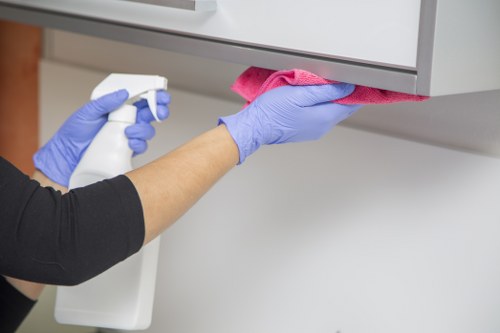
Good stain removal starts with the basics: blot, do not rub; treat from the outside in; and use as little liquid as needed. Rubbing can push the stain deeper into fibers and spread it over a wider area. Instead, blot gently with a clean cloth or paper towel to absorb excess liquid before applying any cleaner. This simple habit can dramatically improve stain removal results.
Another essential rule is to avoid heat until the stain is gone. Heat from a dryer, iron, or hot water can set many stains permanently. That is especially true for blood, protein-rich foods, and some dye-based marks. A cautious stain removal process uses cool or lukewarm water unless the care label or product instructions say otherwise. When in doubt, start with the mildest option.
Finally, remember that stain removal products should match the material and stain type. Dish soap, laundry detergent, oxygen-based cleaners, white vinegar, and baking soda all have uses, but none is right for every situation. The best stain removal strategy is targeted, careful, and patient. Sometimes the safest approach is repeating a gentle treatment rather than using one harsh method that risks damage.
Quick stain removal essentials
- Act fast when possible.
- Blot, do not scrub.
- Test products on hidden areas.
- Avoid heat until the stain is fully removed.
- Match the cleaner to the stain and surface.
Effective stain removal for common clothing stains
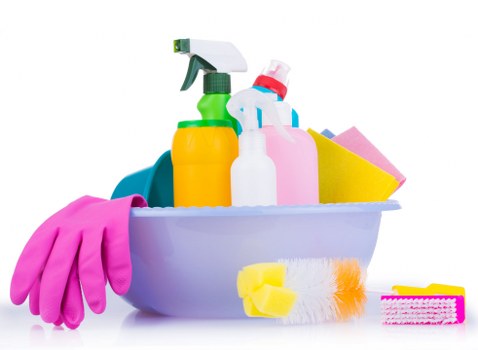
Clothing is one of the most common places where stain removal is needed. Shirts, pants, dresses, uniforms, and activewear are exposed to food, drink, sweat, and outdoor dirt all the time. Fast action is helpful, but clothing stain removal also benefits from a routine. Pre-treating the stain before washing often makes a major difference, especially when the stain has dried.
Coffee and tea stains are typically tannin stains, which means they respond well to cool water and detergent. Rinse the back of the stain, apply a small amount of liquid laundry detergent, and let it sit briefly before washing. For persistent marks, oxygen-based stain removal products can help lift the remaining discoloration without being too harsh on most washable fabrics.
Grease stains need a different tactic. Sprinkle a little baking soda or cornstarch on the stain to absorb oil, then brush it off and apply dish soap directly to the affected area. Dish soap is effective in stain removal because it breaks down grease. After a short wait, wash the garment according to the care label. If the stain remains, repeat the process rather than using high heat.
How to treat frequent clothing stains
- Blood: Rinse with cool water immediately, then use a gentle stain treatment. Never use hot water first.
- Wine: Blot quickly, then apply a stain remover or a mixture suitable for the fabric type.
- Ink: Place a clean cloth under the fabric and use alcohol-based stain removal carefully when appropriate.
- Makeup: Remove excess product first, then treat with dish soap or laundry pre-treatment.
- Grass: Use detergent and a soft brush, then wash normally if the fabric allows.
Stain removal on carpets and upholstery
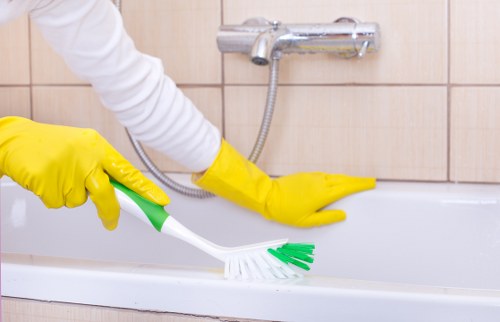
Stain removal on carpets and upholstery requires extra caution because you cannot simply toss these items into a washer. Fabric furniture, rugs, and wall-to-wall carpet can absorb liquids quickly, and over-wetting may create bigger problems, including mildew or water marks. That is why carpet and upholstery stain removal should focus on controlled moisture, blotting, and mild cleaners.
Start by removing any solid material with a spoon or dull edge. Then blot the area with a dry cloth to absorb as much liquid as possible. Apply a small amount of cleaning solution to the cloth rather than pouring it directly onto the stain. This targeted stain removal method prevents spreading and keeps the affected area manageable. Work from the outside inward to avoid enlarging the stain.
For many household spills, a mixture of mild dish soap and water can support safe stain removal. For odors and residue, a small amount of white vinegar may help, though it should be used carefully on delicate fabrics and always tested first. Once treated, blot with clean water and dry the area thoroughly using fans or airflow. Proper drying is a crucial part of stain removal because lingering moisture can create new stains or odors later.
Best practices for upholstery stain removal
- Check the care tag before using any product.
- Use minimal liquid to avoid saturating padding.
- Blot repeatedly with clean towels.
- Do not use excessive scrubbing pressure.
- Allow the area to dry completely after treatment.
Hard-surface stain removal for kitchens, bathrooms, and floors
Hard surfaces may seem easier to clean, but stain removal on tile, laminate, stone, stainless steel, and sealed countertops can still be tricky. Water spots, soap scum, rust, food spills, and mineral deposits often leave visible marks if not handled properly. The key is to use a stain removal method that cleans the surface without scratching, dulling, or etching it.
Kitchen counters often need stain removal from sauces, oils, coffee, and turmeric. Soft cloths and non-abrasive cleaners are usually best. On sealed stone surfaces, avoid acidic cleaners unless recommended by the manufacturer. On stainless steel, wipe with the grain to reduce streaks. For bathroom surfaces, stain removal may involve soap scum, hard-water marks, and mildew discoloration, which often respond to specialized cleaners or gentle acidic solutions used responsibly.
Floors present another challenge because stains can spread across grout lines or seep into porous materials. Stain removal for tile grout may require a paste of baking soda and water or a grout-safe cleaner. For sealed wood floors, always use products designed for wood and avoid soaking the area. Surface compatibility matters just as much as stain type. Choosing the wrong product can make stain removal harder instead of easier.
Surface-specific stain removal tips
- Tile: Use non-abrasive cleaners and soft brushes.
- Laminate: Wipe spills immediately to prevent swelling or marks.
- Stone: Use pH-appropriate cleaners and avoid harsh acids.
- Stainless steel: Clean with the grain for a polished finish.
- Grout: Use targeted stain removal and rinse well.
Choosing safe stain removal products
With so many options available, choosing the right stain removal product can feel overwhelming. Some people prefer store-bought stain removers, while others use household ingredients like baking soda, dish soap, hydrogen peroxide, or vinegar. Each approach can work well in the right situation, but the safest and most effective choice depends on the stain, the fabric, and the level of soiling.
Enzyme cleaners are especially useful for protein-based stains and organic messes. They break down material at a molecular level, which can make stain removal easier for food, sweat, and pet-related stains. Oxygen-based cleaners are also popular because they work well on many washable fabrics and can brighten discolored areas without the harshness of bleach. Still, proper testing is essential for stain removal on colored or delicate materials.
Bleach can be effective, but it should be used carefully and only on suitable materials. Chlorine bleach may damage fibers, remove color, or weaken fabric if used incorrectly. Color-safe bleach is often a better choice for general stain removal. For most situations, the gentlest effective option is the smartest option. That principle helps protect your belongings while still delivering strong cleaning results.
Simple product selection framework
- Identify the stain type.
- Check the material or care instructions.
- Choose the mildest suitable cleaner.
- Test in an inconspicuous area.
- Repeat gentle stain removal rather than escalating too quickly.
Stain removal mistakes to avoid
Even with the best intentions, many people make stain removal mistakes that cause stains to set or spread. One of the most common errors is waiting too long to treat the stain. Another is using too much product, which can leave residue and attract dirt later. Over-scrubbing is also a frequent issue, especially on delicate fabrics and upholstery.
Using the wrong water temperature can ruin stain removal efforts, especially when dealing with blood, dairy, or egg-based stains. Likewise, putting a stained item into the dryer before confirming the stain is gone can lock it in permanently. These mistakes are easy to avoid once you understand the basics of stain removal and follow a methodical process.
Fragranced cleaners can also create complications if they leave buildup or react with the material. In some cases, a product that seems powerful may actually perform poorly because it is not suited to the stain. Successful stain removal is about precision, not force. If a method is not working, pause and reassess rather than layering on more chemicals.
Common stain removal errors
- Rubbing instead of blotting.
- Using heat before confirming the stain is gone.
- Skipping the fabric or surface test.
- Mixing incompatible cleaners.
- Ignoring care labels and manufacturer instructions.
Natural stain removal methods and when they help
Natural stain removal methods remain popular because they are affordable, easy to find, and often effective on everyday messes. Baking soda can absorb odors and help loosen residue. White vinegar can break down certain mineral deposits and freshen surfaces. Lemon juice is sometimes used for brightening, though it should be used carefully because its acidity can affect delicate materials.
Natural stain removal works best when the stain is fresh or moderately set and the surface can tolerate the ingredient. For example, baking soda paste can be helpful on greasy marks, while vinegar may assist with hard-water stains on some surfaces. However, natural does not automatically mean safe for every material. Wool, silk, stone, and some dyes can react poorly, so stain removal still requires judgment.
If you prefer natural methods, combine them with the basics: blot first, test before applying, and rinse thoroughly after treatment. Natural stain removal is most effective when used strategically. It is not about replacing all other methods, but about choosing a cleaner, simpler option when it fits the situation.
When professional stain removal is worth considering
There are times when professional stain removal may be the best choice, especially for valuable, delicate, or large items. Wedding dresses, fine rugs, silk garments, antique upholstery, and specialty fabrics can all benefit from expert treatment. Professionals have access to specialized equipment and advanced solutions that may not be available for home use.
Professional stain removal is also worth considering when a stain has already been through several failed attempts. Multiple home treatments can sometimes make a stain harder to remove or create a larger affected area. In these situations, a trained cleaner can assess the fabric, stain type, and prior treatments before choosing a safer, more targeted approach.
If you are unsure whether to continue at home, think about the item’s value, the stain’s size, and the risk of damage. For irreplaceable items, caution is often the smartest form of stain removal. Sometimes the best outcome comes from stopping early and choosing an expert service before permanent harm occurs.
Signs you may need expert help
- The item is delicate or expensive.
- The stain is old, large, or deeply set.
- You already tried multiple cleaners.
- The material is wool, silk, leather, or another sensitive fabric.
- The stain is on an important or sentimental item.
Creating a stain removal routine that works
A simple stain removal routine can make everyday cleaning feel much more manageable. Keep a few essentials on hand: clean white cloths, a soft brush, mild dish soap, laundry detergent, baking soda, and a reliable stain remover suitable for your most common fabrics. With these items ready, you can respond quickly when accidents happen.
It also helps to treat stain removal as part of regular maintenance rather than an emergency-only task. Check clothes before drying, inspect upholstered furniture occasionally, and clean spills promptly on floors and countertops. The quicker you respond, the more likely the stain will come out without repeated treatments. Stain removal becomes easier when you build habits that prevent stains from settling in.
For busy households, a short weekly check can make a big difference. Look for food splashes in the kitchen, marks on collars and cuffs, pet stains on rugs, and overlooked spots on sofas. This proactive stain removal approach saves time later and keeps your home looking cleaner with less effort. Small actions now often prevent bigger cleaning problems later.
Practical home stain removal checklist
- Act quickly on fresh spills.
- Keep basic cleaning supplies accessible.
- Read labels before applying any product.
- Use the correct cleaner for the stain type.
- Dry items fully after treatment.
Final thoughts on smarter stain removal
Stain removal does not have to be stressful or guesswork-driven. When you understand the stain type, act quickly, and use the right method for the fabric or surface, your chances of success increase dramatically. From clothing and carpets to upholstery and hard surfaces, stain removal is most effective when it is careful, targeted, and consistent.
Whether you prefer natural methods, commercial cleaners, or a mix of both, the goal is the same: remove the stain while protecting the item underneath. That means avoiding harsh scrubbing, testing products first, and keeping heat away until the stain is gone. A smart stain removal approach protects your home, your belongings, and your peace of mind.
If you are dealing with stubborn discoloration, repeated spills, or delicate materials, do not wait until the damage worsens. Take action early, follow the right steps, and choose safe methods that fit the situation. For tough cases, consider expert help and book your service now. Contact us today to take the next step toward cleaner fabrics, fresher surfaces, and better long-term care.